 Ladakh Explorer
Introduction
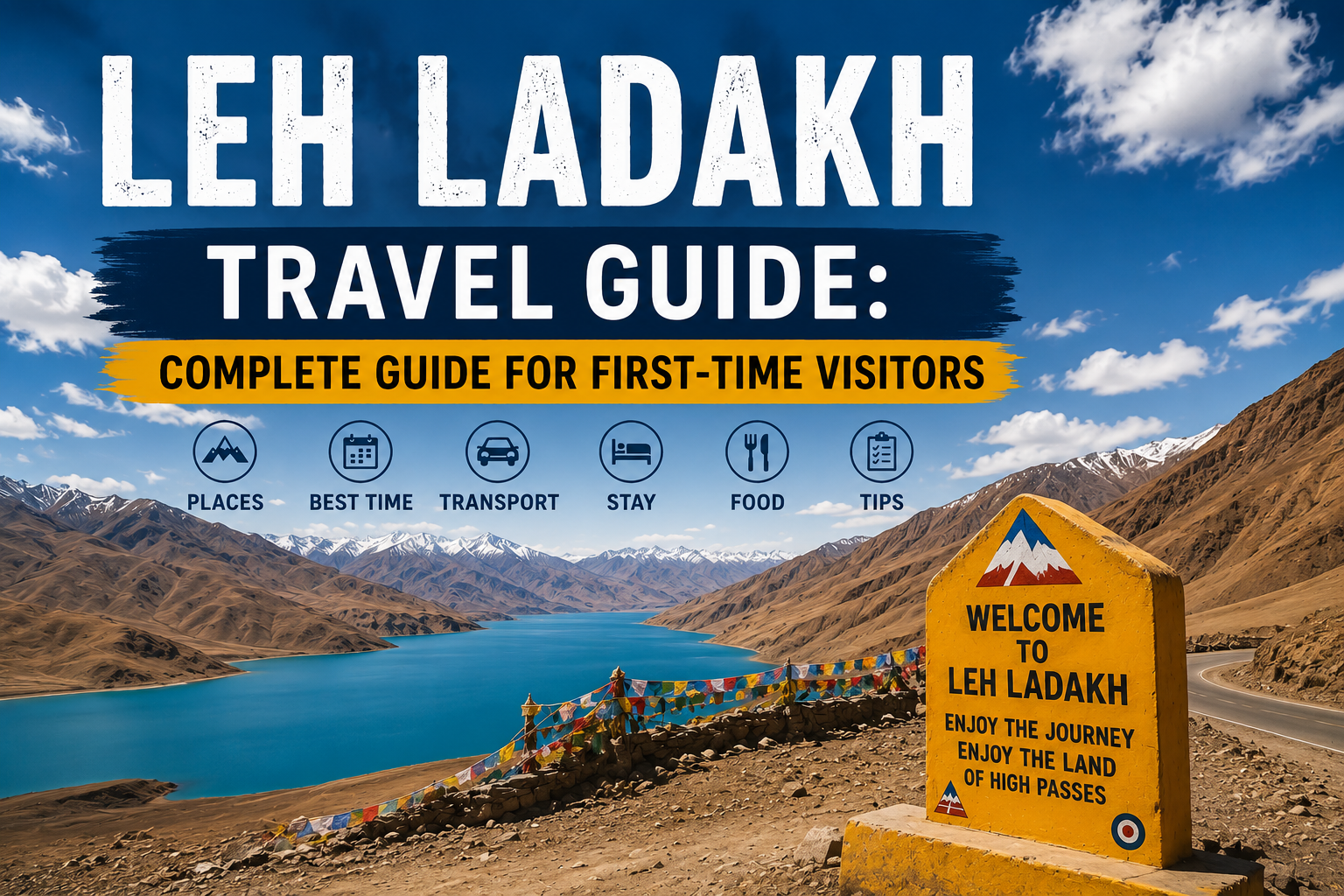
Leh Ladakh is unlike any destination in India. Situated in the northernmost region of the country, this Himalayan paradise attracts travelers from across the globe for its breathtaking landscapes, unique Tibetan-Buddhist culture, pristine lakes, dramatic mountain passes, and unforgettable road trips.
Whether you're planning your first trip, a family vacation, a honeymoon, a bike expedition, or an adventure tour, this comprehensive Leh Ladakh Travel Guide covers everything you need to know before visiting in 2026.
In this guide, you'll learn:
- Best time to visit Ladakh
- Month-wise weather conditions
- How to reach Leh by air or road
- Complete itineraries for different durations
- Taxi & bike rental information
- Altitude sickness prevention tips
- Budget planning and accommodation options
- Hidden gems and adventure activities
- Travel permits and local information
- Local food and dining recommendations
- Comprehensive packing checklist
- Frequently asked questions answered
By the end of this guide, you'll have all the information required to confidently plan your Leh Ladakh journey.
↑ Back to TopWhy Visit Leh Ladakh?
There are many mountain destinations in India, but none offer an experience quite like Ladakh. Leh Ladakh is often referred to as the "Land of High Passes," and for good reason. The region sits at elevations ranging from 9,000 feet to over 19,000 feet, surrounded by the mighty Himalayas and Karakoram mountain ranges.
Top Reasons to Visit Leh Ladakh
- Spectacular Landscapes: Snow-capped peaks, desert mountains, blue lakes, sand dunes, glaciers, high mountain passes, river valleys, and ancient villages
- The World's Most Scenic Road Trip: Khardung La, Chang La, Umling La, and Tanglang La offer extraordinary mountain driving experiences
- Rich Buddhist Heritage: Ancient monasteries including Hemis, Thiksey, Diskit, Alchi, Lamayuru, and Spituk - many over 900 years old
- Crystal-Clear Lakes: Pangong Tso, Tso Moriri, Tso Kar, and Yaya Tso with distinct colors and ecosystems
- Adventure Activities: Motorcycle expeditions, trekking, mountain biking, river rafting, camping, wildlife photography, and stargazing
- Unique Ladakhi Culture: Traditional mud-brick homes, colorful festivals, local cuisine, Buddhist rituals, handicrafts, and folk music
- Paradise for Photographers: Endless opportunities for landscape, monastery, wildlife, and night sky photography
- One of India's Best Stargazing Destinations: Hanle offers minimal light pollution and exceptional night skies for astrophotography
- A Bucket List Destination: An extraordinary experience that few destinations in the world can match
Quick Facts About Ladakh
Essential Information
| Category | Information |
|---|---|
| Region | Union Territory of India |
| Capital | Leh |
| Average Altitude | 3,500 meters (11,500 ft) |
| Highest Motorable Road | Umling La (over 19,000 ft) |
| Languages | Ladakhi, Hindi, English |
| Currency | Indian Rupee (INR) |
| Time Zone | IST (UTC +5:30) |
| Best Travel Months | May to September |
| Major Attractions | Pangong Lake, Nubra Valley, Tso Moriri, Khardung La, Hanle |
Interesting Facts About Ladakh
- Ladakh is often called the Land of High Passes
- It is one of the highest inhabited regions in the world
- The Indus River flows through Ladakh before entering Pakistan
- Pangong Lake extends from India into Tibet (China)
- Ladakh is home to rare wildlife, including the elusive Snow Leopard
- Hanle hosts one of the world's highest astronomical observatories
- Nubra Valley is famous for its double-humped Bactrian camels
- Ladakh experiences over 300 days of sunshine annually
- The region's unique cold desert ecosystem supports flora and fauna found nowhere else in India
Where is Ladakh?
Ladakh is a breathtaking high-altitude region in the northernmost part of India, nestled between the Karakoram Range to the north and the Great Himalayas to the south. Since 2019, Ladakh has been a Union Territory of India, with Leh serving as its administrative headquarters.
Borders
Ladakh shares borders with:
- Himachal Pradesh to the south
- Jammu & Kashmir to the west
- Tibet (China) to the east
- Xinjiang (China) to the north
Distance from Major Indian Cities
| City | Distance to Leh |
|---|---|
| Delhi | 1,020 km |
| Chandigarh | 760 km |
| Manali | 470 km |
| Srinagar | 420 km |
| Mumbai | 2,000+ km |
| Bangalore | 2,700+ km |
Travel Tip
While the road distances may appear manageable, mountain driving is slower than on plains. A 200 km drive in Ladakh can take 6–8 hours because of winding roads, high passes, and occasional traffic restrictions.
Best Time to Visit Ladakh
One of the most common questions travelers ask is: What is the best time to visit Leh Ladakh? The answer depends on your travel style:
- Looking for pleasant weather? Visit in June to September
- Dreaming of snow-covered landscapes? Visit in January or February
- Want fewer tourists and lower prices? Consider April, May, or October
- Planning a motorcycle road trip? June to September is ideal, when both highways are generally open
Which Month Is Best for Different Travelers?
| Traveler Type | Best Months |
|---|---|
| First-time visitors | June–September |
| Families | May–September |
| Honeymoon couples | June & September |
| Motorcycle riders | June–September |
| Budget travelers | April, May & October |
| Snow lovers | January & February |
| Photographers | September & October |
| Trekkers | July–September |
Weather Guide
Ladakh has a cold desert climate, characterized by over 300 sunny days each year, very low humidity, minimal rainfall, and large temperature differences between day and night. Even in summer, temperatures can drop sharply after sunset, so carrying warm clothing is essential year-round.
Average Monthly Temperature
| Month | Day Temp | Night Temp | Travel Rating |
|---|---|---|---|
| January | -5°C | -20°C | ★★★☆☆ |
| April | 15°C | 2°C | ★★★★☆ |
| May | 20°C | 5°C | ★★★★★ |
| June | 24°C | 10°C | ★★★★★ |
| July | 27°C | 12°C | ★★★★★ |
| August | 25°C | 10°C | ★★★★★ |
| September | 22°C | 7°C | ★★★★★ |
| October | 17°C | 0°C | ★★★★☆ |
How to Reach Leh Ladakh
Reaching Leh Ladakh is an adventure in itself. Whether you choose to fly directly into Leh or experience one of the world's most scenic road trips via Srinagar or Manali, each route offers a unique perspective of the Himalayas.
Option 1: Reach Leh by Flight (Recommended)
For most travelers, flying is the quickest and most comfortable way to reach Leh. Kushok Bakula Rimpochee Airport (IXL) is located just 3–4 km from Leh Market and is one of the highest commercial airports in the world.
Flight Duration:
- Delhi → Leh: 1 hour 30 minutes
- Srinagar → Leh: 1 hour
- Jammu → Leh: 1 hour 10 minutes
Option 2: Srinagar to Leh Highway
The Srinagar–Leh Highway (NH1) is considered one of India's most scenic road journeys. Unlike the Manali route, the ascent is gradual, making it easier for your body to adjust to the altitude. Distance: Approximately 420 km (typically completed in 2 days).
Option 3: Manali to Leh Highway
If you're looking for adventure, the Manali Highway is legendary. The route crosses some of India's highest mountain passes. Distance: Approximately 470 km (usually completed in 2 days).
Pro Travel Tips
- First-time visitors: Fly to Leh and spend the first day acclimatizing before heading to Nubra Valley or Pangong Lake
- Round-trip road journeys: Consider entering via Srinagar and exiting via Manali
- Fuel planning: Fuel stations are limited outside Leh. Fill up before long trips
Altitude Sickness Guide (AMS)
One of the biggest challenges travelers face in Ladakh is Acute Mountain Sickness (AMS), commonly known as altitude sickness. Since Leh sits at an altitude of approximately 3,500 meters (11,500 feet), the oxygen level is around 30–40% lower than at sea level.
Common Symptoms of AMS
Mild Symptoms (resolve with rest and hydration):
- Headache
- Fatigue and dizziness
- Loss of appetite and nausea
- Difficulty sleeping
- Mild shortness of breath
How to Prevent Altitude Sickness
- Rest on Day One: Check into your hotel, relax, and avoid sightseeing immediately after landing
- Drink Plenty of Water: Aim for 3–4 liters of water daily
- Eat Light Meals: Choose easy-to-digest foods like soup, rice, and vegetables
- Avoid Alcohol and Smoking: Avoid both for at least 48 hours after arriving
- Avoid Heavy Exercise: Don't run, climb hills, or trek immediately
- Sleep Well: Ensure adequate rest for acclimatization
Acclimatization Schedule
Day 1: Arrival - Rest at hotel, drink water, short walk only if feeling well
Day 2: Easy local sightseeing (Shanti Stupa, Leh Palace, Hall of Fame)
Day 3+: Travel to Nubra Valley or other destinations
Required Permits
Many areas in Ladakh require an Inner Line Permit (ILP) for Indian citizens. Foreign nationals generally require a Protected Area Permit (PAP) for designated regions.
Permits commonly required for:
- Nubra Valley
- Pangong Lake
- Tso Moriri
- Hanle
- Tso Kar
Documents Required
- Government-issued photo ID
- Passport-size photograph (if requested)
- Vehicle documents (for self-drive trips)
Note: Permit rules and fees can change, so always verify the latest requirements before your trip. Most local travel agencies can assist with obtaining permits.
↑ Back to TopLocal Transportation in Ladakh
Once you arrive in Leh, there are several ways to explore the region:
1. Taxi Services (Most Popular)
Taxis are the most convenient and reliable option for sightseeing and multi-day tours. Local drivers have mountain experience and can handle long-distance travel comfortably. Popular routes include Leh–Nubra–Pangong–Leh circuits.
2. Bike Rentals
Popular rental bikes include Royal Enfield Himalayan, Royal Enfield Classic 350, KTM Adventure, and Hero Xpulse. Typical rentals include helmet, basic toolkit, and vehicle documents.
3. Scooters
Suitable only for local sightseeing within Leh town. Not recommended for remote routes due to challenging terrain.
4. Public Transport
Budget-conscious travelers can use local buses, shared taxis, and shared tempo travelers - economical but with fixed schedules.
↑ Back to TopComplete Leh Ladakh Itineraries (2026)
Choosing the right itinerary is crucial. Your plan should allow enough time for acclimatization, avoid unnecessary backtracking, and balance sightseeing with rest.
3-Day Express Trip
- Day 1: Arrival & Acclimatization in Leh
- Day 2: Leh Local Sightseeing (Shanti Stupa, Leh Palace, Hall of Fame, Magnetic Hill)
- Day 3: Departure
5-Day Classic Circuit (Most Popular)
- Day 1: Arrival & Acclimatization
- Day 2: Leh Local Sightseeing
- Day 3: Leh → Nubra Valley (Khardung La, Diskit, Hunder)
- Day 4: Nubra → Pangong Lake
- Day 5: Pangong → Leh → Departure
7-Day Recommended Itinerary
Similar to the 5-day circuit but with more time to explore Nubra Valley (2 nights) and Pangong Lake (1 night), plus additional attractions.
10-Day Adventure Itinerary
Includes Leh, Nubra, Pangong, Hanle, and Tso Moriri - perfect for exploring beyond the classic circuit.
12-Day Ultimate Ladakh Experience
Covers nearly every major attraction including Alchi, Lamayuru, Leh, Nubra, Pangong, Hanle, and Tso Moriri.
↑ Back to TopPlaces to Visit in Leh Ladakh (Complete Destination Guide)
Leh Ladakh is home to some of the most spectacular landscapes in the Himalayas. Every destination offers a unique experience.
Leh (The Gateway)
The heart of Ladakh at 3,500 meters altitude. Combine traditional Ladakhi culture with modern tourist facilities. Must-visit attractions: Leh Palace, Shanti Stupa, Leh Market, Hall of Fame, Namgyal Tsemo Monastery, Tibetan Market, Central Asian Museum.
Nubra Valley
Famous for sand dunes and double-humped Bactrian camels. Visit Diskit (32-meter Maitreya Buddha), Hunder (sand dunes and camel rides), Sumur, Panamik (hot springs), and Turtuk (Balti culture).
Pangong Lake
Perhaps the most famous attraction - a 134 km lake with changing shades of blue throughout the day. Perfect for camping, sunrise photography, stargazing, and lakeside walks.
Hanle
A remote Himalayan village known for the Indian Astronomical Observatory, dark skies ideal for astrophotography, and Milky Way photography.
Tso Moriri
A pristine high-altitude lake more peaceful than Pangong. Ideal for birdwatching, photography, camping, and nature lovers seeking solitude.
Umling La
At 5,798 meters (19,000+ feet), one of the world's highest motorable roads. Challenging terrain requiring excellent acclimatization.
Other Notable Destinations
- Khardung La - Famous mountain pass
- Chang La - High-altitude pass with scenic views
- Alchi Monastery - 11th century Buddhist art
- Lamayuru Monastery - "Moonland" landscape
- Kargil - Second-largest town
- Zanskar - Remote region for trekking
Adventure Activities in Leh Ladakh
Leh Ladakh is one of India's premier adventure destinations with diverse activities for every type of traveler.
Trekking
Popular treks include Markha Valley Trek (6-8 days, moderate), Sham Valley Trek (3-4 days, easy), and the famous Chadar Trek (winter, January-February).
River Rafting
Adventure on Indus and Zanskar rivers. Popular routes: Phey to Nimu (beginner), Nimu to Alchi (moderate), Zanskar Expedition (advanced).
Camping
Best locations: Pangong Lake, Nubra Valley, Tso Moriri, and Hanle for stargazing.
Photography
Best sunrise locations: Pangong Lake, Tso Moriri, Hanle, Shanti Stupa. Best sunset: Hunder Sand Dunes, Pangong Lake. Best for astrophotography: Hanle, Pangong, Tso Moriri.
Wildlife Viewing
Species to see: Snow Leopard (rare), Himalayan Blue Sheep, Tibetan Wild Ass (Kiang), Marmots, Himalayan Ibex, Black-necked Crane (seasonal). Best locations: Hemis National Park, Tso Kar, Changthang, Hanle.
↑ Back to TopMonasteries of Ladakh
Ladakh is home to some of the oldest Buddhist monasteries in the Himalayas - repositories of art, history, and architecture.
Key Monasteries
- Hemis Monastery: Ladakh's largest, founded in 17th century. Famous for Hemis Festival and giant Thangka
- Thiksey Monastery: 15-meter Maitreya Buddha and hilltop views
- Diskit Monastery: Oldest in Nubra Valley with giant Maitreya Buddha
- Alchi Monastery: Renowned for 11th-century murals and intricate wood carvings
- Lamayuru Monastery: One of Ladakh's oldest, set against dramatic "Moonland" landscape
- Spituk Monastery: Near Leh Airport, famous for Gustor Festival
Monastery Etiquette
- Dress modestly
- Remove shoes where required
- Speak quietly
- Ask permission before photographing monks
- Walk clockwise around stupas and prayer wheels
Festivals of Ladakh
Ladakh's festivals are colorful celebrations of Buddhist traditions, local culture, music, and dance.
Major Festivals
- Hemis Festival (June/July): Mask dances (Cham), traditional music, cultural performances - Ladakh's most famous festival
- Losar Festival (Winter): Ladakhi New Year with family gatherings, monastery rituals, traditional food
- Dosmoche Festival: Held in Leh and Likir Monastery with mask dances and ritual ceremonies
- Sindhu Darshan Festival: Celebrates the cultural significance of the Indus River
- Ladakh Festival (September): Polo matches, archery, traditional dances, music performances
Ladakhi Food Guide
Food is an important part of the Ladakh experience. Influenced by Tibetan, Central Asian, and North Indian cuisines, Ladakhi dishes are hearty, nutritious, and perfectly suited to the region's cold climate.
Traditional Ladakhi Dishes
- Thukpa: Warm noodle soup with handmade noodles, vegetables, and herbs
- Momos: Freshly steamed dumplings with vegetable, chicken, or mutton filling
- Skyu: Traditional pasta stew with vegetables and meat
- Tingmo: Soft, steamed Tibetan bread
- Chutagi: "Bow Tie Pasta of Ladakh" in rich vegetable gravy
- Khambir: Thick whole-wheat Ladakhi bread
- Butter Tea (Gur Gur Chai): Made with tea, yak butter, salt, and milk
- Apricot Products: Fresh apricots, dried apricots, jam, oil, and juice
- Yak Cheese: With rich flavor commonly available in villages
Vegetarian Food in Ladakh
Vegetarians will find plenty of choices including dal, rice, vegetable momos, skyu, chutagi, paneer dishes, Tibetan bread, and fresh salads (seasonal).
↑ Back to TopShopping Guide
Shopping in Leh is more about local craftsmanship than large malls. Handmade products make excellent souvenirs and support local artisans.
Best Things to Buy
- Pashmina Shawls: World-famous wool from Changthangi goats
- Prayer Flags: Symbolizing peace, compassion, strength, and wisdom
- Prayer Wheels: Representing Buddhist traditions
- Tibetan Handicrafts: Wooden carvings, brass statues, singing bowls, masks
- Silver Jewelry: Handcrafted rings, earrings, bracelets, turquoise jewelry
- Apricot Products: Jam, oil, dried fruit, herbal soaps
- Local Woolens: Handwoven scarves, sweaters, gloves, socks, caps
Best Shopping Places
- Leh Main Market - Largest shopping area for souvenirs and local products
- Tibetan Market - Woolens, jewelry, handicrafts
- Moti Market - Daily essentials and local goods
Bargaining Tips
- Bargain politely
- Compare prices at multiple shops
- Support genuine local artisans
- Be cautious of products marketed as "pure Pashmina" at unusually low prices
Budget Planning for Leh Ladakh
Leh Ladakh can suit a wide range of budgets with proper planning.
Sample Daily Budgets (excluding flights)
| Travel Style | Daily Cost | Includes |
|---|---|---|
| Backpacker | ₹3,000–5,000 | Hostels, shared transport, local meals |
| Budget | ₹5,000–7,000 | Guesthouses, basic comfort |
| Mid-Range | ₹8,000–12,000 | Good hotels, comfortable meals |
| Luxury | ₹15,000+ | Premium resorts, fine dining |
Accommodation Options
- Budget: Hostels, guesthouses, homestays
- Mid-Range: Boutique hotels, family-run properties, comfortable guesthouses
- Luxury: Premium resorts, luxury camps (seasonal), wellness retreats
Ladakh Eco Resort - Recommended Stay
A peaceful stay surrounded by nature with comfortable rooms, mountain views, peaceful location, family-friendly environment, and convenient access to Leh attractions. Ideal for families, couples, solo travelers, and small groups.
Complete Packing List for Leh Ladakh
Packing wisely is essential for a comfortable and safe trip. Weather can change rapidly, and temperatures often drop sharply after sunset.
Essential Documents
- Government-issued Photo ID (Aadhaar, Passport, Driving License)
- Flight/train tickets and hotel booking confirmations
- Inner Line Permit (if applicable)
- Vehicle documents (for self-drive trips)
- Travel insurance (recommended)
Summer Clothing (May–September)
- Lightweight T-shirts and full-sleeve shirts
- Fleece jacket and windproof jacket
- Thermal innerwear (1 set)
- Trekking pants and jeans
- Woolen cap and warm socks (3–5 pairs)
- Comfortable walking shoes
- UV-protection sunglasses and lightweight gloves
Winter Clothing (October–April)
- Heavy down jacket and wool sweaters
- Thermal wear (2–3 sets) and waterproof gloves
- Snow boots and thick socks
- Neck warmer, balaclava, and woolen cap
Toiletries & Medicines
- Toothbrush, toothpaste, soap, shampoo
- Sunscreen (SPF 50+) and moisturizer
- Lip balm and hand sanitizer
- Basic medicines, first-aid kit, bandages
Miscellaneous
- Reusable water bottle and energy bars
- Backpack, daypack, and rain cover
- Trekking poles (if trekking) and binoculars
- Mobile phone, charger, power bank, camera
- Offline maps and headlamp
50+ Frequently Asked Questions
Planning & When to Visit
- Q: What is the best time to visit Leh Ladakh? A: June to September offers pleasant weather and access to most attractions
- Q: How many days are enough for Ladakh? A: A 7-day itinerary is ideal for first-time visitors
- Q: Is Ladakh safe? A: Yes, Ladakh is generally considered a safe destination
- Q: Can I travel during winter? A: Yes, but extreme cold and fewer facilities available
Health & Altitude
- Q: Is altitude sickness common? A: Yes, many travelers experience mild symptoms
- Q: Can children visit Ladakh? A: Yes, with proper acclimatization and medical precautions
- Q: Is Ladakh suitable for senior citizens? A: Yes, with adequate rest and acclimatization
Permits & Documentation
- Q: Do I need permits? A: Some destinations require permits (Nubra, Pangong, Hanle, Tso Moriri)
- Q: Can foreigners visit Hanle? A: Yes, with appropriate permits
Transport & Getting Around
- Q: Which is better: Srinagar or Manali route? A: Srinagar route recommended for first-time visitors (more gradual ascent)
- Q: Can I drive a hatchback? A: Yes, on many routes with good condition vehicle
- Q: Can I rent a bike in Leh? A: Yes, popular bikes available for rent
- Q: Can I visit Pangong Lake in one day? A: Possible, but overnight stay recommended
Food & Connectivity
- Q: Is vegetarian food available? A: Yes, most hotels offer vegetarian options
- Q: Which SIM card works best? A: BSNL, Airtel, and Jio provide best coverage
- Q: Can I use UPI in Leh? A: Yes, many businesses in Leh accept UPI
Conclusion
Leh Ladakh is more than just a destination—it's an experience shaped by towering mountains, ancient monasteries, pristine lakes, welcoming communities, and unforgettable journeys across some of the world's highest roads.
Whether you're planning your first visit or returning to discover hidden corners, a well-planned itinerary, proper acclimatization, and respect for local culture will help you make the most of your trip.
From the tranquil shores of Pangong Lake and the sand dunes of Nubra Valley to the star-filled skies of Hanle and the peaceful beauty of Tso Moriri, every journey through Ladakh leaves lasting memories.
Start Planning Your Leh Ladakh Adventure
- ✓ Plan your itinerary
- ✓ Book your accommodation in advance
- ✓ Prepare for the altitude
- ✓ Experience one of India's most extraordinary travel destinations
Safe travels, and enjoy your unforgettable journey through the Land of High Passes!
Recommended Accommodation - Ladakh Eco Resort
For a comfortable stay with mountain views, peaceful location, family-friendly environment, and convenient access to Leh attractions. Ideal choice for families, couples, solo travelers, and small groups.


