Ladakh is not just a destination; it is an experience that stirs the soul. Nestled in the northernmost reaches of India, this Himalayan wonderland beckons travellers with its majestic peaks, ancient monasteries, and an air of mysticism. For centuries, Ladakh has been a sanctuary for adventurers and seekers, offering spiritual refuge and breathtaking beauty. Yet, as more footsteps tread its fragile landscapes, the need for conscious tourism grows increasingly urgent.
A Journey Through Ladakh's Storied Past
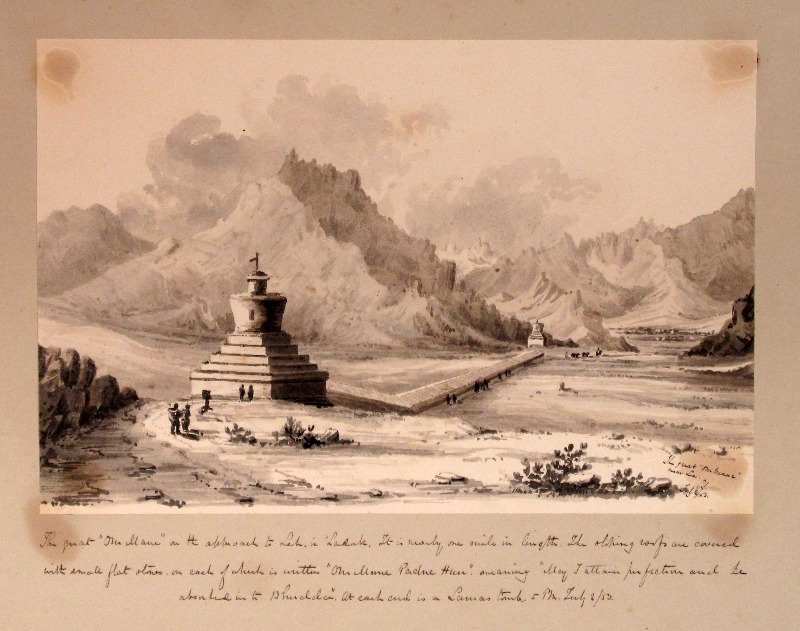
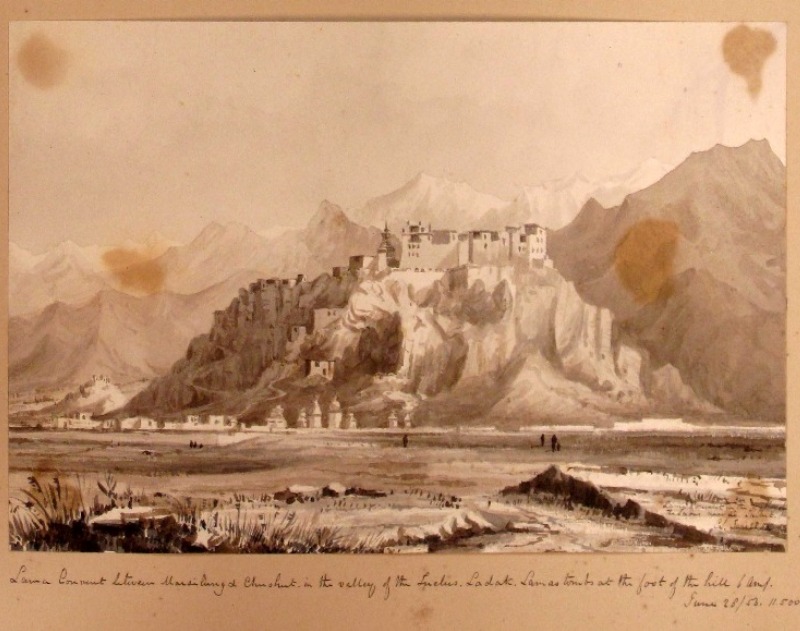
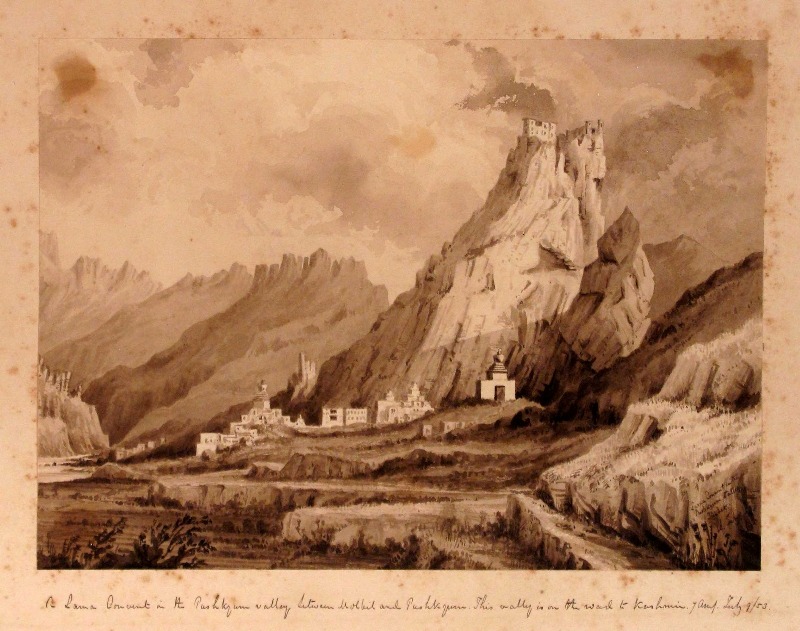
Ladakh's history is a captivating tale of ancient trade, cultural confluence, and spiritual devotion. Once a vital artery of the Silk Road, it linked Central Asia with the Indian subcontinent, weaving together a rich tapestry of influences. The region's earliest settlers were a blend of Indo-Aryans and Tibetan migrants who laid the foundation for Ladakh's unique cultural identity. By the 10th century, the Tibetan Empire's influence had taken root, fostering the rise of Tibetan Buddhism, which remains the heartbeat of Ladakh today. This spiritual legacy echoes through the centuries, from the fluttering prayer flags on mountain passes to the age-old rituals within its monasteries.
The Legacy of the Namgyal Dynasty
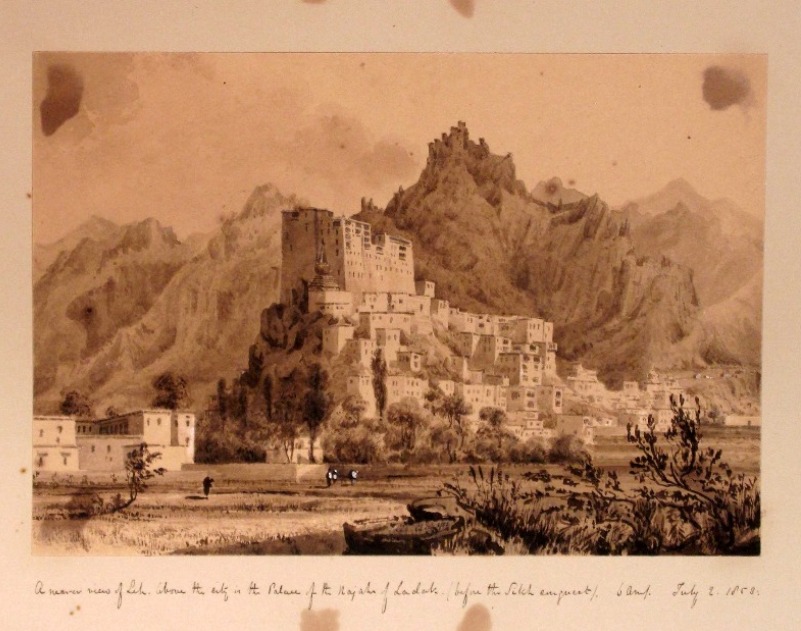
In the 15th century, the Namgyal dynasty ascended, bringing a golden age of cultural and architectural blossoming. Under their reign, landmarks like Leh Palace and Shey Monastery rose against snow-clad peaks. These rulers not only defended Ladakh from external threats but also championed Buddhism, embedding it deeply into the region's way of life.
Ladakh in the Modern Era
The tides of history continued to shape Ladakh during the British Raj, when it became part of the princely state of Jammu and Kashmir. Post-independence, its rugged terrain turned into a strategic crossroads amidst the geopolitical tensions of India, China, and Pakistan. Yet, through these upheavals, Ladakh's serene spirit and vibrant culture endured.
The Rise of Tourism: Beauty at a Crossroads
In the late 20th century, Ladakh's allure captured the imagination of travelers worldwide. From the crystalline waters of Pangong Lake to the ethereal dunes of Nubra Valley, its landscapes became iconic. Monasteries like Hemis and Thiksey drew pilgrims and wanderers eager to glimpse Ladakh's spiritual soul.
But the growing tide of tourism has left its mark:
Environmental Fragility: The pristine environment struggles under the weight of unchecked tourism. Melting glaciers, exacerbated by climate change and human activity, threaten Ladakh's water sources. Waste management and water scarcity loom large as visitor numbers surge.
Cultural Erosion: The influx of tourists brings both opportunity and peril. While Ladakh opens its doors to the world, over-tourism risks eroding its cultural essence. Traditional crafts, spiritual practices, and communal ways of life face disruption under the pressures of commercialisation.
Strained Infrastructure: Unplanned development to accommodate the tourist boom strains the region's delicate ecosystem. Villages accustomed to a slower pace now grapple with resource depletion and overcrowding.
A Call For Conscious Tourism
If Ladakh is to remain a sanctuary, we must travel differently. Conscious tourism is not merely a choice; it is an imperative. It invites us to tread lightly, engage respectfully, and give back to the communities that open their hearts to us.
- Honour Local Traditions: Immerse yourself in Ladakh's culture. Attend local festivals, visit monasteries with reverence, and support indigenous artisans who keep centuries-old crafts alive.
- Travel Sustainably: Opt for eco-friendly lodgings, minimise waste by avoiding single-use plastics, and explore in small groups to reduce your ecological impact.
- Support Local Communities: Choose homestays, savor Ladakhi food, and shop from local makers. Ladakh Eco Resort is one such place preserving cultural threads responsibly.
- Educate and Advocate: Learn and share Ladakh’s story to inspire others to travel mindfully.
The Mountains Are Calling!
Ladakh's timeless beauty is a gift — but its preservation is our shared responsibility. Let us travel with reverence and leave a legacy of respect.


